
This is not a sad story
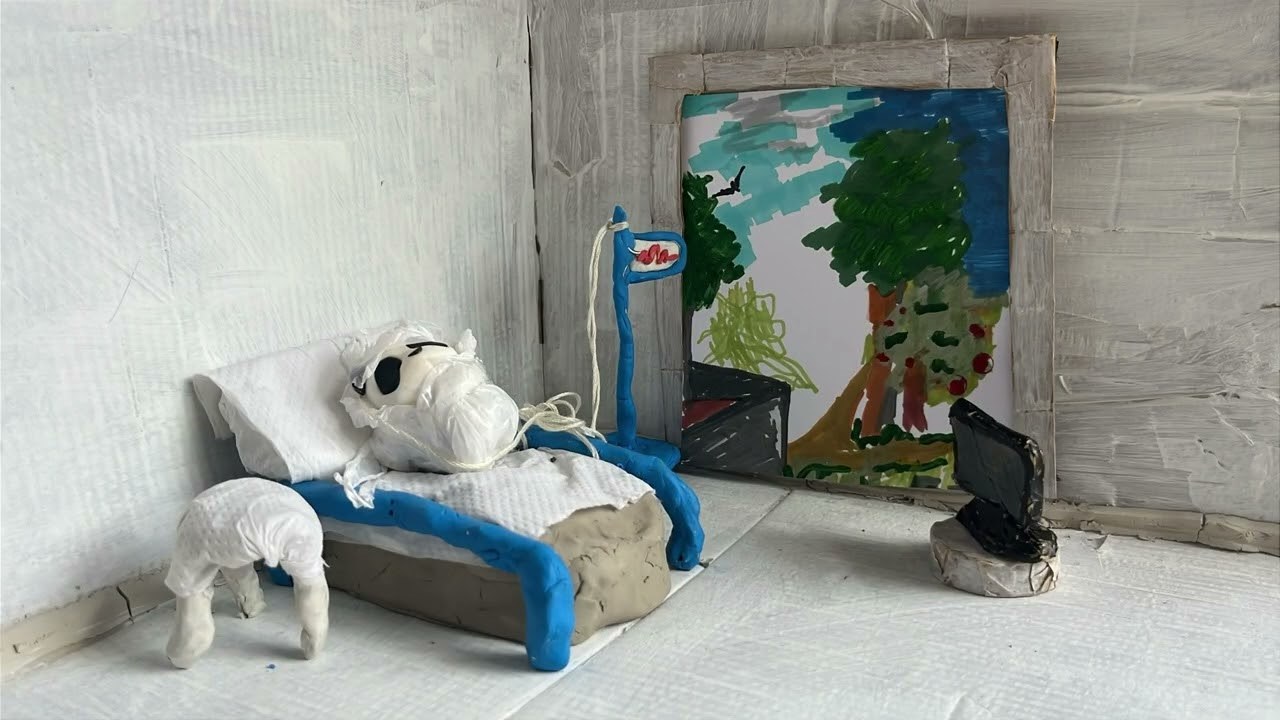
Anonymous





During my placement at the beginning of this year, I was based in the trauma and burns ward. This was my first experience in such an environment, and encountering patients with complex, life-altering conditions made me reflect on the unpredictability of life, health, and medicine, as well as the nuance of how individuals respond to trauma.
Over three weeks, I followed the recovery of a patient who sustained extensive third-degree burns following an explosion in a garden shed. When I first met the patient, they were alone in their room, almost entirely covered in bandages, with only their eyes visible. Initially, I approached the interaction with the intention of learning about the clinical aspects of their experience. However, after hearing the details of the accident, it became clear that there was little more to ask about the event itself. Instead, our conversations shifted. They required patience, silence, and questions not about the trauma, but about the person.
As the weeks progressed, I observed both physical and emotional recovery. Gradually, there were fewer bandages, more visible signs of skin grafts and surgical intervention, and a noticeable increase in energy and engagement. During one visit, the patient described a vivid hallucination experienced under strong pain medication: nurses became pilots, doctors transformed into soldiers, and the ward turned into a battlefield, with an aeroplane flying through the window and landing beside them. This moment was striking, revealing something deeper about the patient’s subconscious and personal identity—what mattered most to them beyond their illness. Their collection of motorbikes and model aircrafts they had built were lost in the explosion. This was what caused them the most grief.
Inspired by this, I created a stop-motion animation to reflect the patient’s journey. The film moves between their external life, the hospital ward, and surgical spaces, using lighting and set design to convey the passage of time and the contrast between reality and hallucination. It begins by representing significant aspects of the patient’s life: motorbikes, their partner, and model aircraft. It then traces the progression of treatment, from initial immobility to gradual recovery, alongside moments of visitation, care, and imagination.
Through this project, I wanted to highlight an aspect of medicine that is often overlooked—the lived, personal experience of recovery. Treatment is not always immediate or dramatic; it can be slow, repetitive, and uncertain. As the patient expressed, it is often about ‘just getting on with it.’ Despite the severity of their injuries, the emotional tone conveyed was not pessimistic, but quietly optimistic and resilient. This was the patient who I saw underneath their bandages. By the end of the placement, although the patient’s physical condition had significantly changed, their core identity remained consistent. This reinforced the importance of seeing patients beyond their illness. Trauma and treatment may alter a life, but they do not define the entirety of a person. The song I chose was an uplifting song. This is not a sad story.
video-link upcoming!
Second prizewinner for the Effective Consulting Creative Assignment, Year Two, 2025/6
0 Comments