
Depression
Rebecca Williams
Poetry





Another bleak morning
Wife’s got the car
Watch a bit of TV
Such a lonely illness
Wife’s got the car
Watch a bit of TV
Such a lonely illness
Grass is getting longer
Weeds are taking over
Where’s my life force gone to?
Such a lonely illness
Son rang up today
Toddler’s growing fast
Told him I was fine
Such a lonely illness
Bridge night tonight
Honestly can’t face it
Hinted chest infection
Such a lonely illness
How do others cope?
Feel such a failure
Fuck knows why she stays
Such a lonely illness
Pheasants screaming upwards
Not a soul in sight
Finger on the trigger
Such a lonely illness
This patient struck me because he presented with a chest infection, then about 5 minutes into the consultation threw his head into his hands and sobbed violently. His vivid descriptions of a life with chronic depression, and how it permeated his every waking moment inspired this poem. The style is an attempt to recreate his staccato, minimalist delivery.
Whole Person Care – Year One
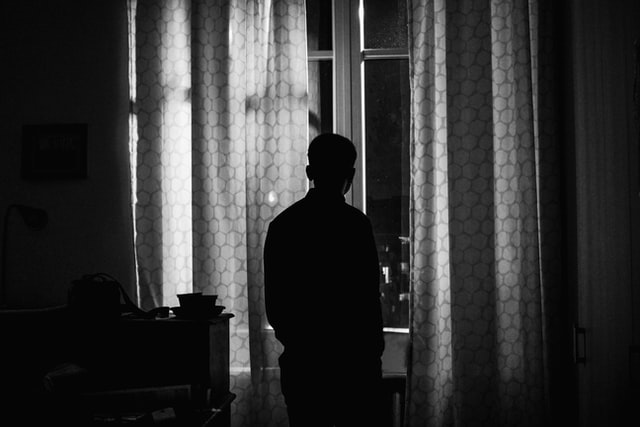
I found this to be a very powerful piece. The image illustrates the loneliness the man feels perfectly, as he stands in solitude staring out the window as if he may find a friend out there. The neutral, black and white tones could represent the numbness a person feels when depressed, like all the colour and energy has been sucked out their life. That is combined with the fact the image was taken at night, which could be representing the darkness someone with depression may feel.
I also enjoyed the poem. I liked how in the different verses, he mentions things that are happening in his life, some are good, some are bad, but this is irrelevant, as each verse ends with the same line “Such a lonely illness”. It makes it clear to me that depression is more than just a person who needs cheering up, it’s a real medical issue that if not tackled properly, could have disastrous effects. This is hinted at with the line at the end which reads “Finger on the trigger”, a chilling way to end the poem.
This piece encapsulates what it’s like to be inside the mind of someone who is very close to giving up. The uniform four-line verses could be mistaken for being unimaginative – but this seems to be the whole point. The monotony of dealing with such a deprecating illness everyday makes life feel bleak and unchanging.
I like the way the verses almost reflect diary or journal entries – as if our narrator has sought out help before and have been given the suggestion of documenting their day and emotions. At first, the repeated line ‘such a lonely illness’ might be considered our only insight into the narrator’s real feelings, but their choice of language scattered throughout the poem actually alludes to more. The lines ‘Where’s my life force gone to?’ and ‘How do others cope’ as kind of rhetorical questions hint that perhaps the narrator still has some hope to understand themselves and find a way to want to continue with life. Similarly, their use of the curse ‘fuck’ hints as some anger still residing. The fact that this seems to be directed towards their wife could cleverly imply that they are starting to find ways to blame her and distance themselves from her, and quite possibly all the people who love and want to help them. It creates a vicious circle of wanting support, but also not wanting people to get too close so it’ll be easier if they decide they want to end their life.
I find the line ‘Hinted chest infection’ very interesting. It’s subtly pointing out the lack of awareness surrounding mental health conditions, regarding the fact that they are most often not taken seriously enough. The narrator is suggesting that their friends will understand them skipping bridge due to a chest infection, but not due to their depression. It’s almost as if they need to display physical symptoms to be considered truly ill. The metaphor ‘Grass is getting longer//Weeds are taking over’ strongly shows that the narrator does view their illness as physical – they can see it growing inside their mind and strangling everything else. The line could also hint that this mental condition is starting to display physical symptoms itself, due to the fact that grass and weeds growing longer on their garden is indeed something physical that can be seen as well.
The lack of details found throughout the poem show the detachment the narrator is taking from their own life already. The concrete nouns ‘wife’, ‘toddler’ and ‘son’ instead of using names show the narrator is already taking steps to remove themselves from their family, but it also shows that they have deliberately not told us their names either. In a way, we are almost made to feel like their doctor or therapist. This relates to the point I made earlier about how it feels like a diary entry. We are given the bare minimum of information from the narrator, with only the reemphasise on the fact that this is a ‘lonely’ illness. The unsettling imagery of there not being ‘a soul in sight’ both shows how in this moment they are physically all alone, but they are just moments away from joining the ‘world of souls’ – death. It ends the poem on a cliffhanger – will they go through with it? Will someone stop them?
In conclusion, I found this piece very thought-provoking, and it made me consider more deeply the invisible struggles so many people face every day. We all live busy, somewhat self-obsessed lives and it can be difficult to spot the challenges of other people, especially when they go to lengths to conceal them. Ultimately, we have all felt difficult emotions at some point in our lives, and it takes the memories and thoughts we possess of our own experiences to generate the delicate empathy we need to take care of others.