
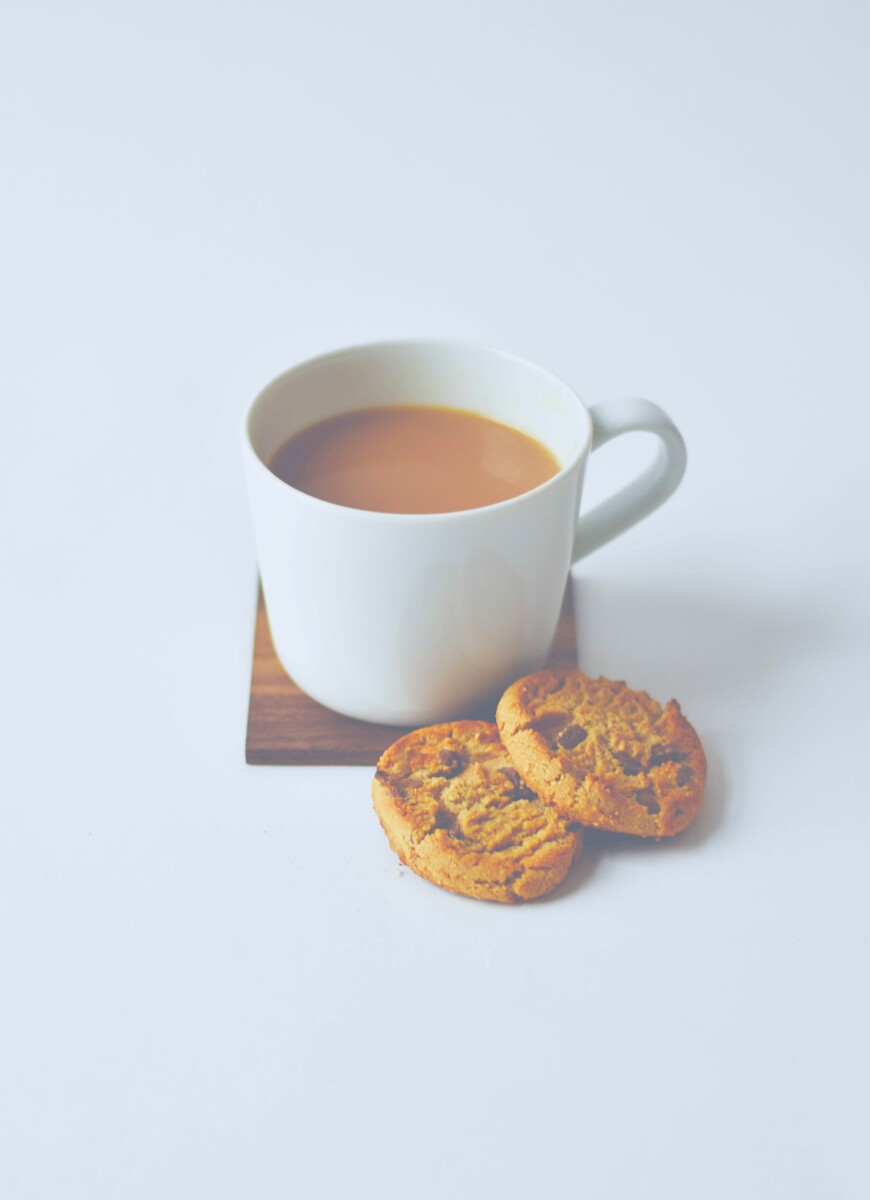
Fancy a cuppa?
Georgina Boucher
Poetry





Fancy a cuppa?
A cup of tea, humble yet full of might,
A small comfort, morning or night.
Strong or weak, a quick sip brings peace,
And all of a sudden; chaos cease.
In sterile halls, where voices hum,
A patient waits for what’s to come.
“Morning hun, what’s it today?”
A simple question, one might say.
A choice of sugar, milk or none at all-
It’s more than just a wakeup call.
But a fragment of home,
To make the patient feel less alone.
For staff who share a quite break,
A quick cuppa, for friendship’s sake.
Laughter or sorrow, a moment is shared,
Showing each other that we truly cared.
Monitors beep, kettles boil,
A repetitive process, who’s to spoil?
But a tea transforms more than just hospital room-
Almost like a flying broom.
In Grandma’s house, there’s hundreds of mugs,
Each quirky, chipped and full of love.
A piece of magic, for paramedics alike,
It even helps for a quick glucose spike.
Even more, a mark of independence and strength,
An OT can examine at length.
You see, a cuppa is more than just a tea.
A piece of glue between you and me.
Medicine is full of miracles and cures,
But not for everyone, that’s for sure.
Yet a cuppa- that’s an unending gift,
And to make, is ever so swift.
A cup of tea, humble yet full of might,
A small comfort, morning or night.
It’s a simple gesture that we can do
To make all our days feel less blue.
Reflecting on my HCA shift, I realised I must have spent hours brewing teas. What struck me most was the unexpected gratitude from both patients and staff. For some, it is just a drink; to others, it symbolises autonomy and comfort in a place that often strips you of both. Hospital life is filled with stress and disorientation. But tea, in it’s humble simplicity, offers an oasis of decompression, a brief return to normalcy.
I later discovered tea’s broader significance in healthcare. Paramedics and doctors use it during home visits, not just to stabilise low blood sugar, but also to ease difficult conversations. Occupational therapists classically use it to examine ADL’s, assessing strength and fine motor movements.
I also experienced a recurring theme of loneliness on the ward. The smallest interactions, like chatting whilst delivering tea, seemed to mean the world to patients, many of whom spent their day alone. This motivated me to capture that vulnerability through the poem’s emotive tone. The cyclical nature and tight ABAB rhyme of the poem reflects the repetitive, mechanical routine of hospital life.
I hope this poem will serve as a reminder to carry out small actions for others. Healthcare can easily be consumed into a chaos of endlessly beeping machinery and convoluted medical jargon, but it’s important to reaffirm that outside of that, collectively, we have a humanitarian purpose to care for others.
Effective Consulting, Year One, 2024 – 2025
0 Comments